Illustration.

Areas Under Study

Where in the body Muse cells have been studied, and how far the evidence has reached in each place. None of these is an approved treatment.

How to Read the Evidence Labels

  1. Stage: Laboratory (stage 1 of 4)Cells studied in a dish.
  2. Stage: Animal studies (stage 2 of 4)Tested in animals such as mice, rats and rabbits.
  3. Stage: Early human trials (stage 3 of 4)Small trials in people, usually without a comparison group.
  4. Stage: Controlled human trials (stage 4 of 4)Trials that compare treated people with a placebo group.

Every human result here comes from one product, CL2020, and does not show whether any other product is safe or works.⁠39

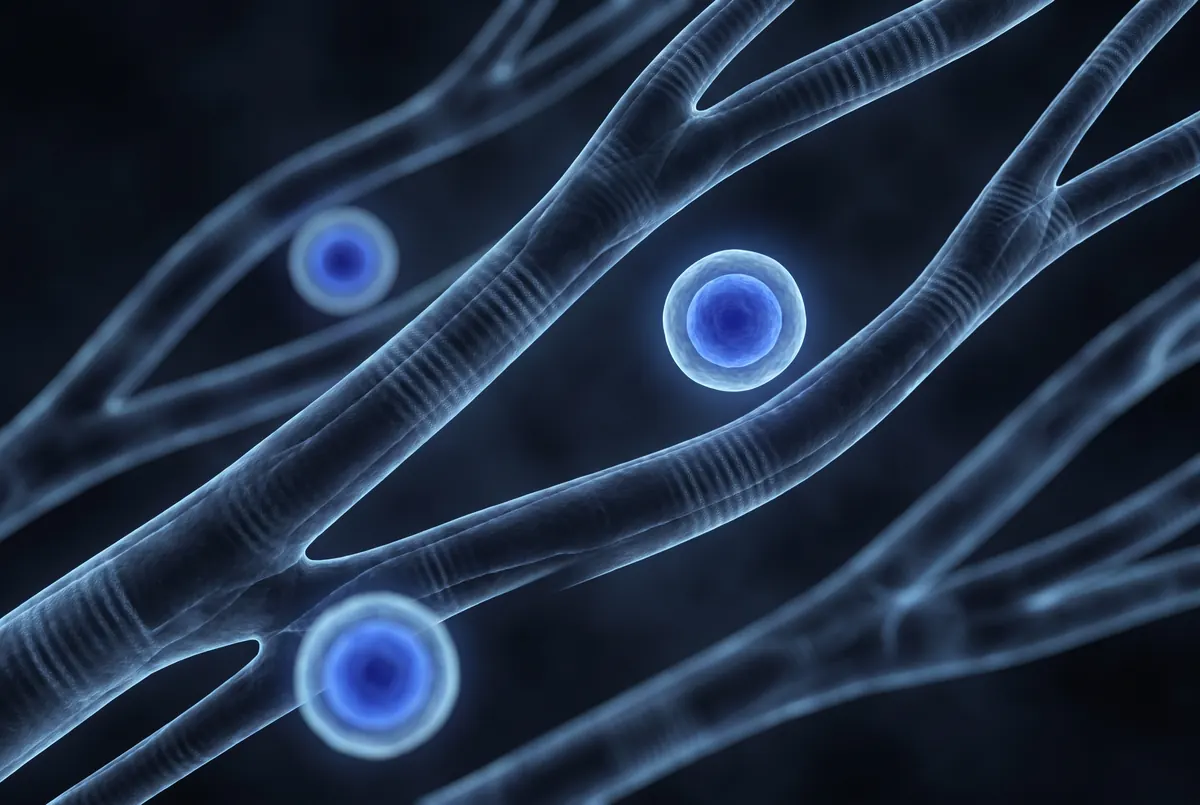
Illustration: branching, striped heart muscle fibers with three glowing blue cells resting between them.
Illustration.

Heart

Studied in: Heart attack

Evidence: Early human trials (stage 3 of 4)

In rabbits with heart attacks, Muse cells traveled to the damaged heart and improved heart function. In a first study of CL2020 in three heart attack patients in Japan, heart pumping improved over 12 weeks without treatment-related side effects. A larger CL2020 heart trial was registered, but no published results have been found.⁠16,32,40,44

The first study had no comparison group. Larger controlled trials are needed.
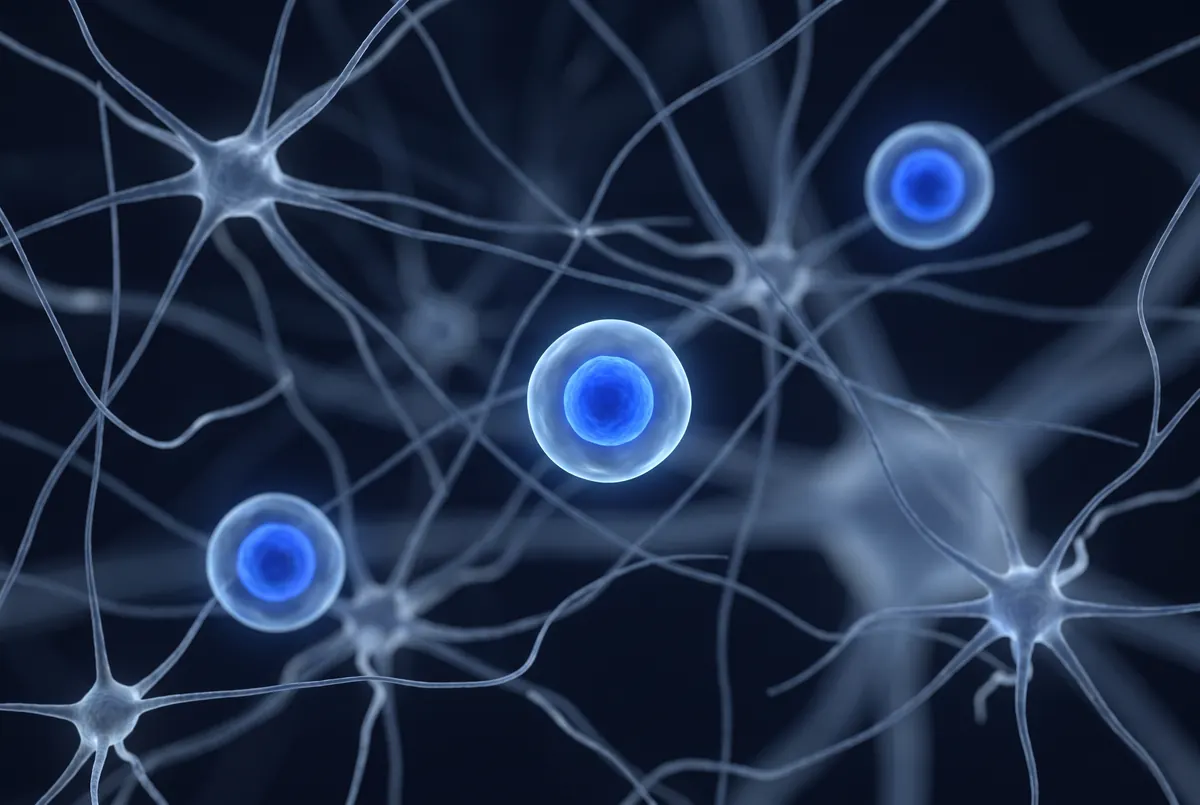
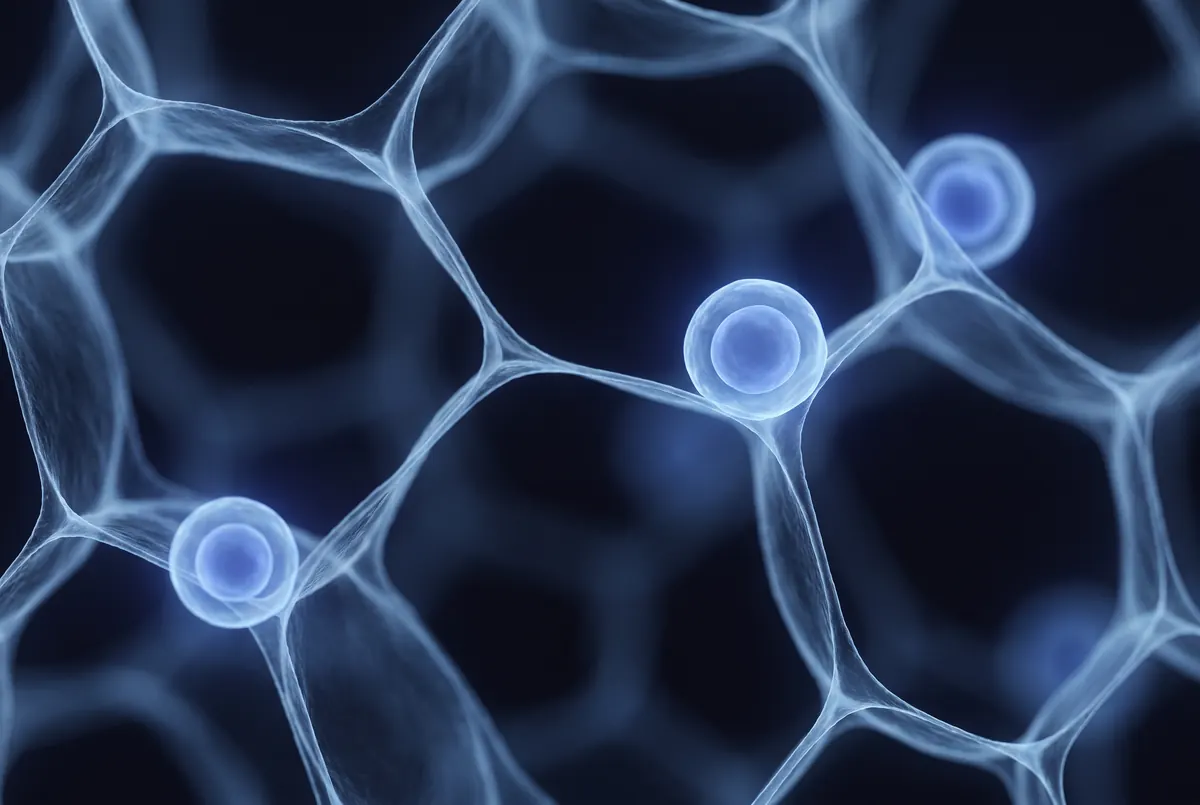
Illustration: a web of pale nerve cells and fine branches, with three glowing blue cells among them.
Illustration.

Brain

Studied in: Stroke; brain injury in newborns

Evidence: Controlled human trials (one small trial) (stage 4 of 4)

In a small randomized trial of CL2020 in Japan (25 people treated, 10 on placebo), 40 percent of stroke patients who received CL2020 regained independence in daily life by 12 weeks, compared with 10 percent on placebo. In mice, Muse cells reached the injured brain and took on nerve cell features. In a separate safety trial of CL2020 in nine newborns with brain injury from lack of oxygen, all survived to 78 weeks; that trial had no comparison group.⁠21,22,34,38,39

The stroke result comes from one small trial. A larger trial is needed to confirm the benefit.

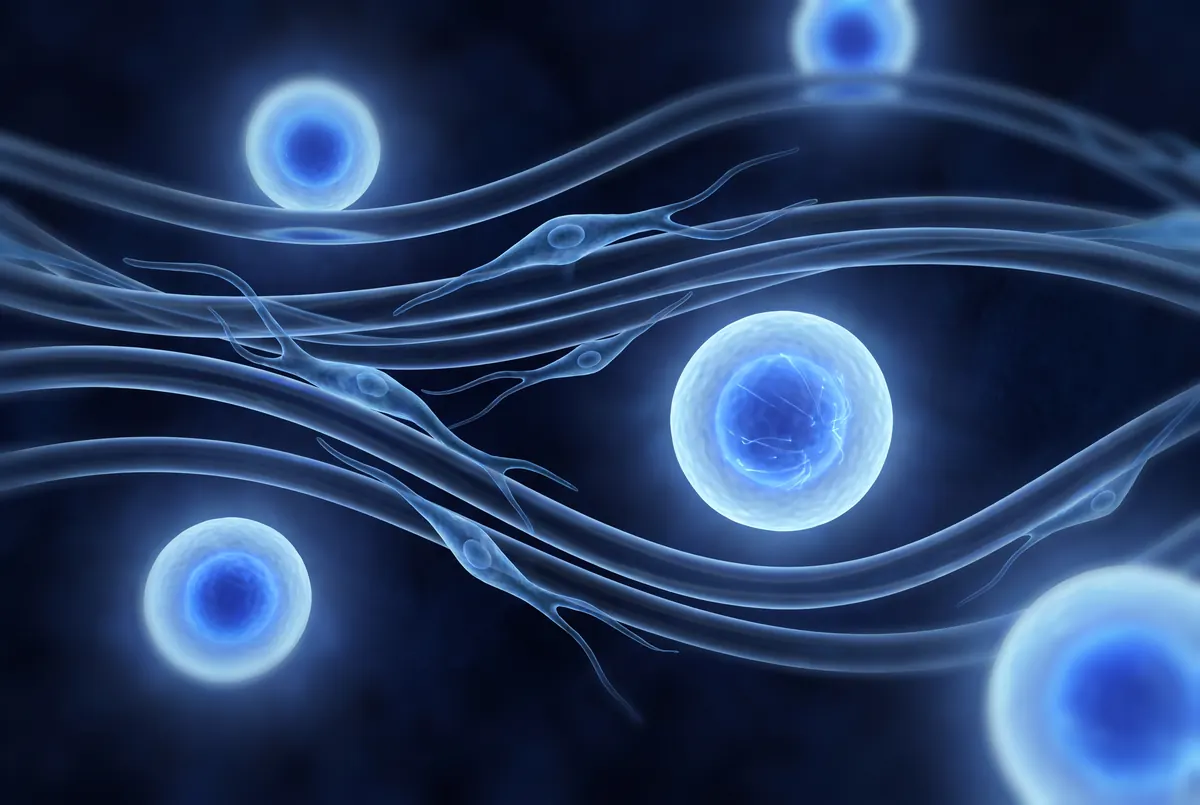
Illustration: long, wavy nerve fibers and slender support cells, with round glowing blue cells alongside.
Illustration.

Spinal Cord

Studied in: Spinal cord injury; ALS

Evidence: Early human trials (stage 3 of 4)

In a trial of CL2020 in Japan, 10 people with a severe spinal cord injury in the neck received one dose, and their movement, daily-living and quality-of-life scores improved compared with before treatment. In mice with an ALS-like disease, Muse cells reached the spinal cord and improved movement. In a five-person trial of CL2020 in ALS, monthly doses were well tolerated; the effect on disease progression was not statistically clear.⁠23,35,36

Both trials were small and had no comparison group. Larger placebo-controlled trials are needed.

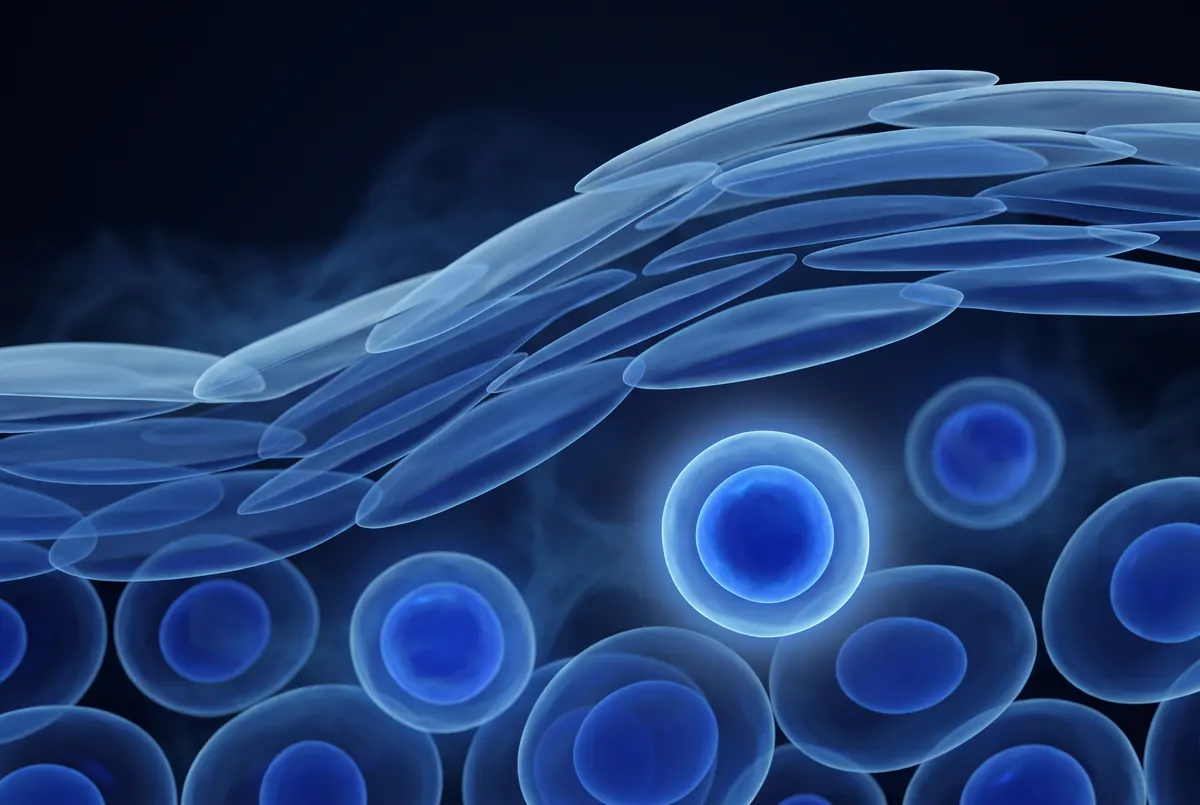
Illustration: layers of skin cells, flat on top and rounder below, with one brighter glowing blue cell in the deeper layer.
Illustration.

Skin

Studied in: Epidermolysis bullosa; wounds

Evidence: Early human trials (stage 3 of 4)

In a five-person trial of CL2020 in adults with a severe blistering disease called epidermolysis bullosa, one infusion shrank skin ulcers for several weeks, but the effect faded by 12 weeks. In the lab, Muse cells can become the main cell types of skin, including pigment cells. In animal studies, Muse cells replaced skin cells in mice with epidermolysis bullosa, and Muse-rich cells sped up healing of skin ulcers in diabetic mice.⁠28,29,30,31,33

Repeat dosing and larger trials are being considered. Human wound studies have not been done.

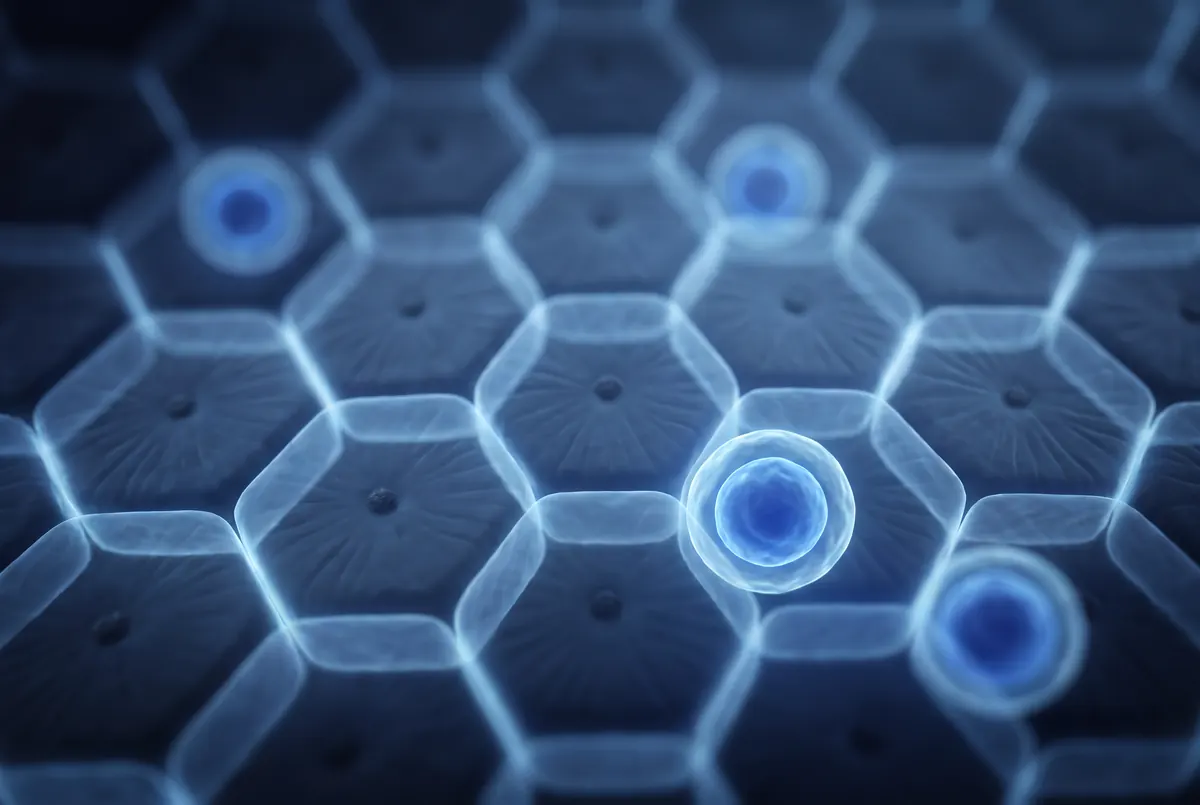
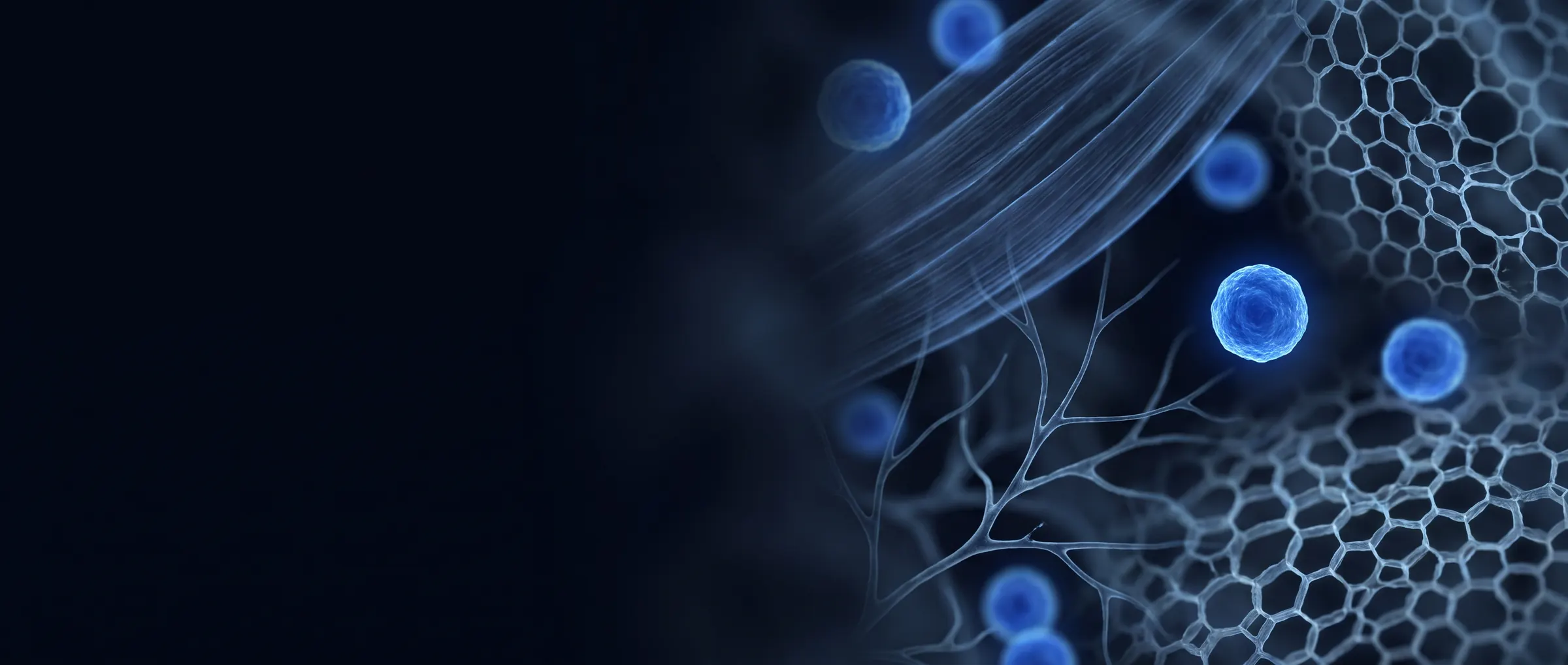
Illustration: a honeycomb of six-sided liver lobules, each with a small central vein, with a few glowing blue cells on top.
Illustration.

Liver

Studied in: Liver scarring; recovery after liver surgery

Evidence: Animal studies (stage 2 of 4)

In mouse studies of liver scarring and liver surgery, Muse cells became working liver cells and reduced scarring.⁠24,25

These are animal findings. Human studies have not been done yet.

Illustration: a lacy network of thin-walled air sacs, with three glowing blue cells resting on the walls.
Illustration.

Lungs

Studied in: Lung injury; COVID-19 lung failure (ARDS)

Evidence: Animal studies (stage 2 of 4)

In rats with lung injury, Muse cells from umbilical cord reduced scarring without anti-rejection drugs. A CL2020 trial in severe COVID-19 lung failure (ARDS) was announced in Japan in 2021, but no published results have been found.⁠27,38,40,60

This is an animal finding, and it is still being studied.

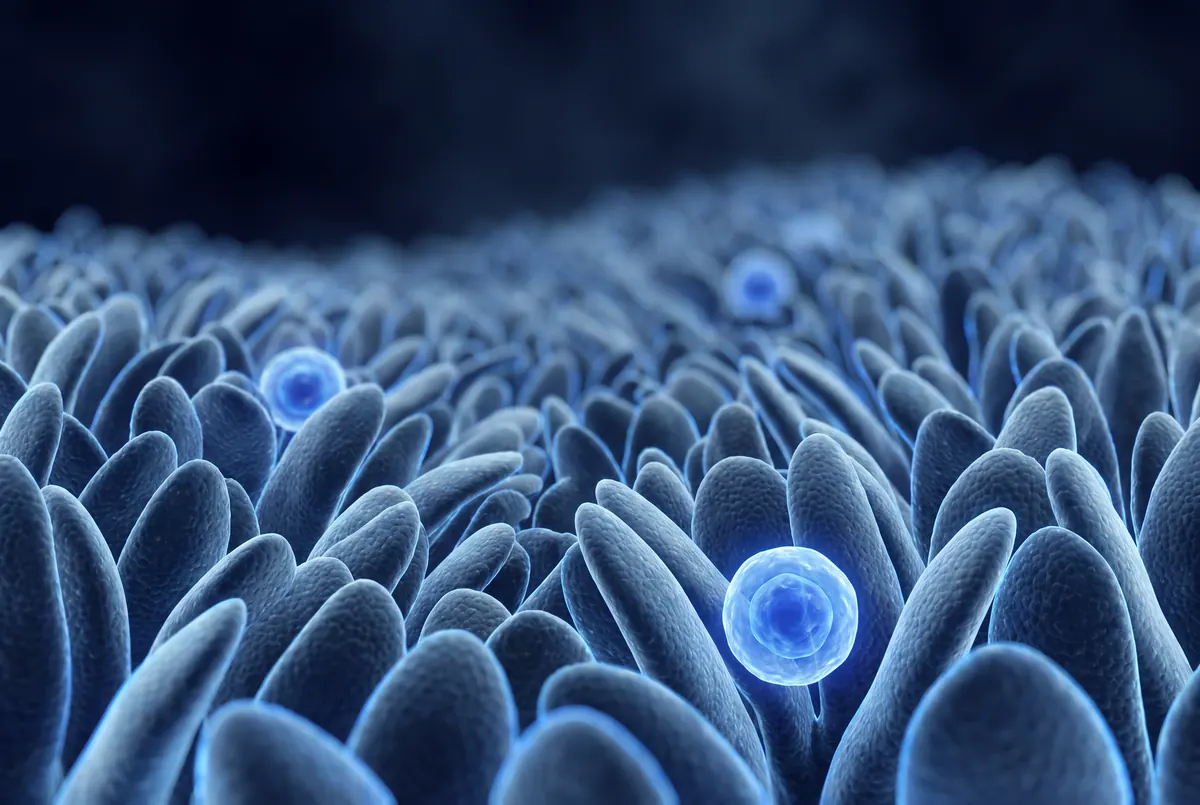
Illustration: a dense field of small, soft villi lining the intestine, with a few glowing blue cells among them.
Illustration.

Gut

Studied in: Radiation injury to the intestine

Evidence: Animal studies (stage 2 of 4)

In mice exposed to high-dose radiation, Muse cells traveled to the gut, helped the intestinal lining recover and improved survival. An independent group in France reported similar results with Muse cells from umbilical cord.⁠17,18

This has not yet been tested in people.

Kidney disease has also been studied, so far only in mice, where Muse cells reduced scarring.⁠26

Last reviewed against its sources: . How we check claims

Have a Question About Muse Cell Research?

Dr. Albert’s team will read it and reply by email.

Ask a Question

Source